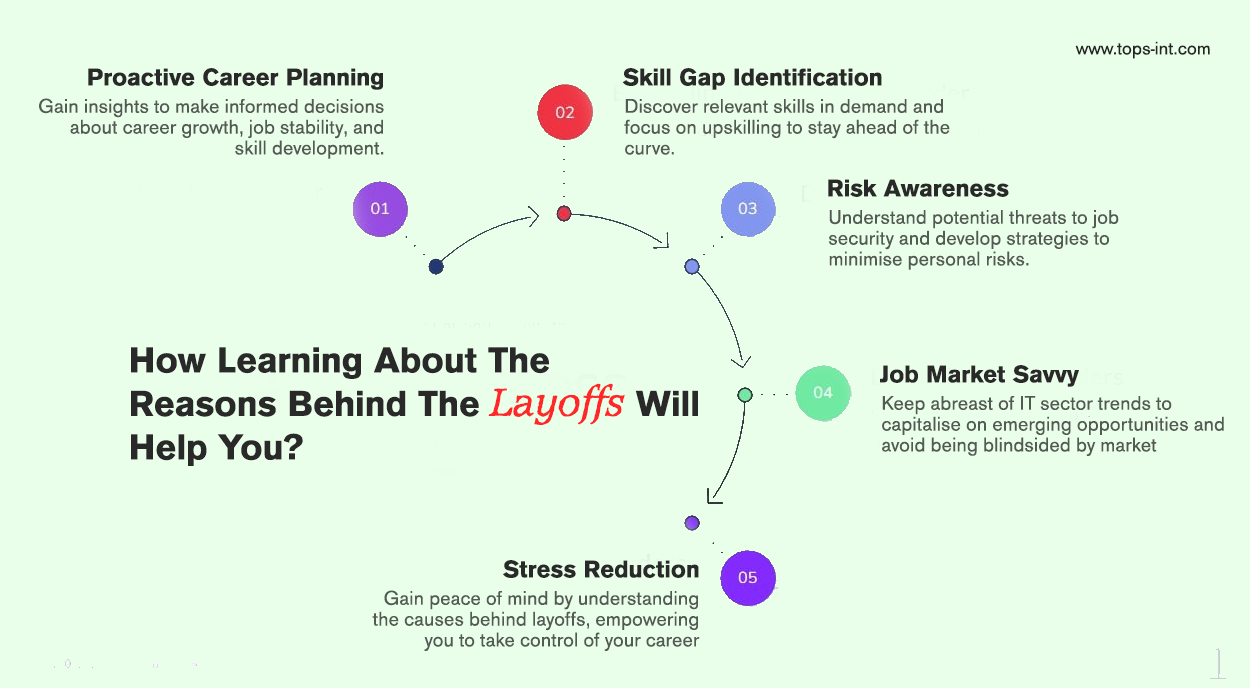
Many professionals and job seekers are losing faith in the IT industry due to a wave of layoffs. According to statistics, 138,820 workers have been let go by 494 IT businesses so far in 2023, and more layoffs are anticipated.
Many business areas, including AWS, Advertising, and Twitch, have been affected by the huge job layoffs as revealed by some of the largest technological names, like Amazon, Meta, Microsoft, and Google.
While there are many different and complicated factors behind these layoffs, one is the sluggish revenue growth many IT businesses see amid rising economic unpredictability. The risk of a recession is also a factor behind the dismissals.
Unlock the Secrets to Job Security: Exclusive Insights from Top HR Executives at FAANG Companies!
Are you concerned about the recent wave of IT layoffs? If so, learn more about this critical issue. Protect your career and stay ahead of the curve in today's rapidly changing job market.
Most Recent IT Layoffs And Updates
“Economic growth worldwide is forecasted to decrease from 5.6% in 2022 to 4.2% in 2023, and some regions, such as Europe and South America, will experience slower growth.”
Are you feeling anxious about your job security in the IT sector? With recent layoffs happening across the industry, it's understandable to feel uncertain about the future of your career.
Don't worry! At the end of the blog, we have included a free PPT where top HR executives from FAANG companies have shared their insights and strategies to increase job security!
So how can you survive and thrive in the IT job market after the recession? Here are some tips to help you navigate the new reality in IT.
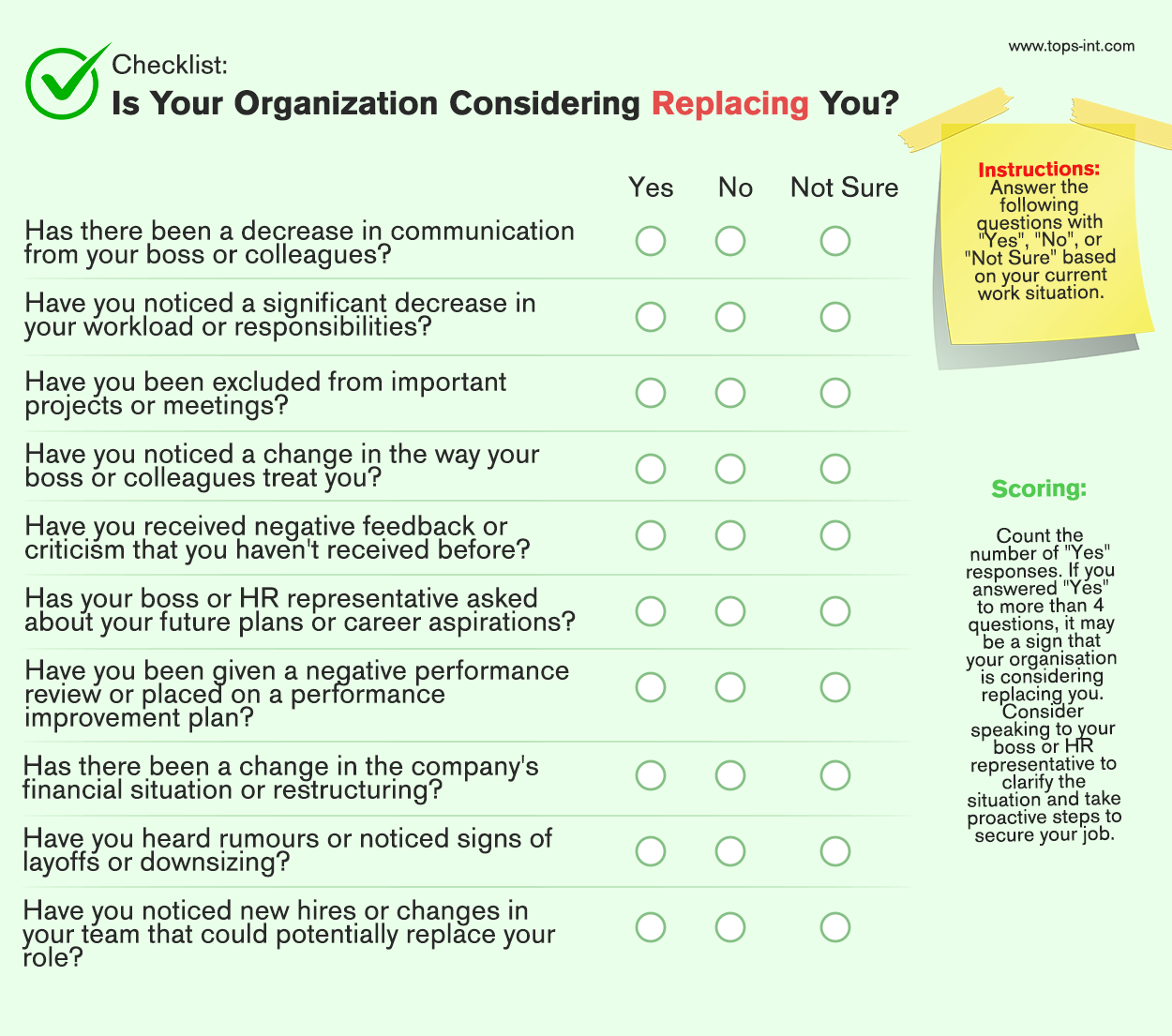
Understanding the Causes of Layoffs in the IT Sector
1. Effects of Recession on the Overall Economy
Due to the global economic downturn, the IT sector, once viewed as a prosperous and secure sector, has witnessed an abrupt decrease in revenues and profits.
- There has been less demand and production of IT services and a decrease in the accessibility and expense of capital and labour. This has decreased customer and organisation spending, causing concern for many personnel and analysts.
- As corporations have reduced their IT expenditures and projects, consumers have been more cautious and discriminating in their IT hardware and software purchases. As a result, there is less need for IT services and goods, which has decreased IT company sales and profits.
- The rise in competitiveness and pressure from both local and international competitors is another consequence of the crisis in the IT industry.
Role Of The Recession
2. Changing Demands and Technological Advancements
3. Global Competition and Outsourcing
- Combining with or buying out rival businesses to access fresh markets, and cutting-edge technology.
- Investments in research and development to produce new goods or enhance current ones.
- Using new business concepts or tactics to set oneself apart from rivals.
- The ability to draw from a bigger pool of knowledgeable, experienced individuals who can do high-quality work cheaply.
- The ability to adapt the size of the IT resources to changing business demands and demand.
- Lower costs and responsibilities related to recruiting, educating, and supervising staff.
- The loss of employment for domestic IT employees who outsourced suppliers supplant.
- A loss of security and control over data and IT services.
- A decrease in internal skills and talent development results in losing competitive advantage and innovation potential.
Warning Signs: Identifying Potential Layoffs
- Declining Sales or Earnings: A company's income or earnings drop is one of the clearest indicators of impending layoffs. IT firms could have to reduce their employees if it cannot generate enough revenue to cover operating costs.
- Budget Cutbacks and Freezes: Budget cutbacks and freezes imposed abruptly by IT firms may indicate the business's financial difficulties. While the business may be trying to reduce expenses to stay afloat, this might signal layoffs.
- Reduced Workload or A Lack of Fresh Initiatives: It might be a clue that the business is having financial issues if one finds that the workload has dropped or that no new projects are coming in. This might jeopardise employment since the firm may be aiming to cut its employees to save money.
- Changes in Management: If management has changed recently, this may indicate that the business seeks to reorganise to save expenses. Since the new management may want to bring in their team or change the current personnel, this may sometimes result in layoffs.
Ways To Increase Job Security
Constantly Learning and Updating Skills
Continuously learning new things and enhancing your abilities is one of the best ways to remain updated in your field. This might include enrolling in classes, attending conferences and seminars, reading trade periodicals, and participating in online training programmes. By doing this, you'll be able to keep up with the most recent innovations and fashions, enabling you to respond quickly to fresh difficulties and chances.
Also, learning new skills may raise the value of your work and boost your promotion prospects. You could also get a more stable job inside your firm or sector by picking up new, in-demand skills.
Building a Strong Professional Network
Networking is a crucial part of having a successful job. You may connect with coworkers, business leaders, and possible employers who can help you keep informed about job openings and industry trends by developing a strong professional network. Also, networking might help you discover fresh viewpoints and ideas that can advance your professional development.
Attend industry conferences, sign up for trade groups, and connect with people on LinkedIn to develop a strong professional network. Always be polite and professional while engaging with people, and be sure to follow up after networking events to stay in contact.
Displaying Your Worth to the Business
Ensuring your employer knows the value you provide to the business is crucial. Take note of your accomplishments and triumphs, and let your boss or supervisor know about them. You might emphasise your contributions to the business to illustrate how valuable you are and how important you are to the team.
Also, it's critical to be proactive and accept new obligations whenever they present themselves. You may indicate that you're eager to learn and develop by volunteering for new initiatives or responsibilities and that you're dedicated to the company's success.
Always be proactive and make professional investments since doing so is an investment in your future.
Upskilling: The Ultimate Layoff Shield
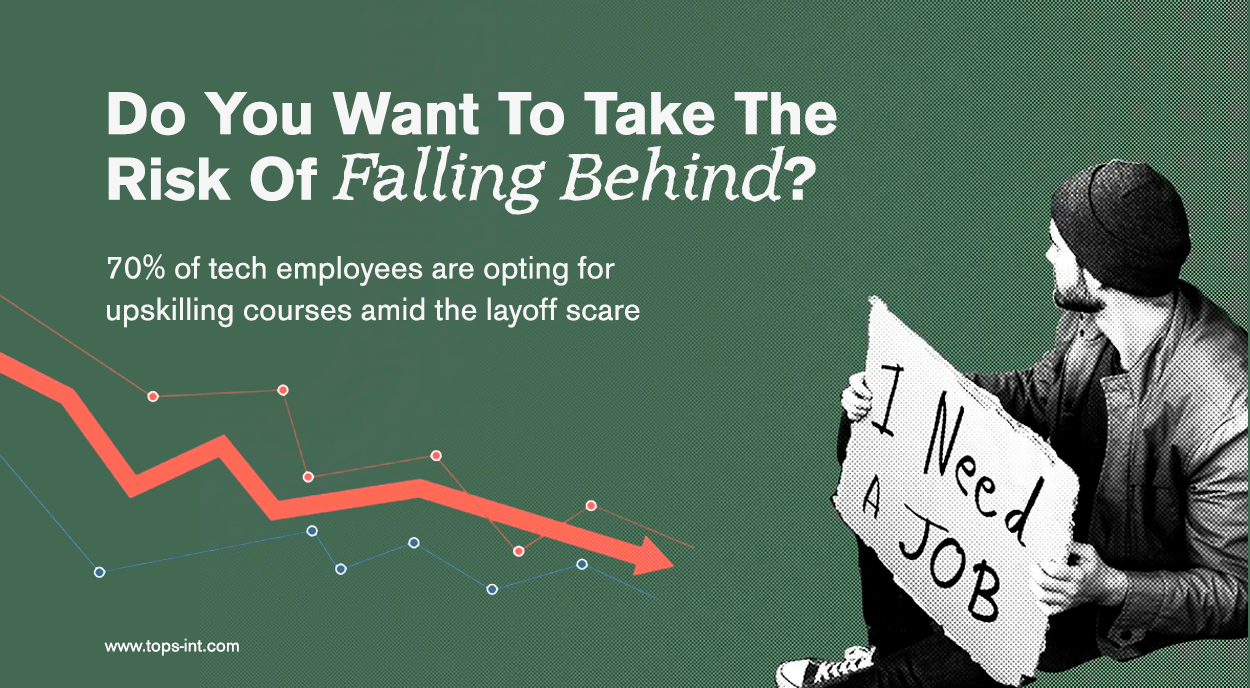
Do You Want To Take The Risk Of Falling Behind?
As an employee in the IT sector, it's natural to feel concerned about job security, especially in today's competitive and rapidly changing job market. Here are three key strategies to help you upskill effectively:
Identifying In-demand Skills
Finding the skills that are most in demand in your sector is the first step in upskilling. This entails staying updated with emerging technology and trends, reading trade journals, and participating in conferences and seminars. Depending on your area of expertise, in-demand abilities might vary, but some examples include the following:
- Cloud computing
- Machine learning and artificial intelligence
- Cybersecurity
- Data visualisation and analysis
- Agile and DevOps Approaches for mobile app development
You can concentrate your upskilling efforts on the areas most beneficial to your present or potential employers by determining the most in-demand skills in your industry.
Choosing the Right Courses and Certifications
- Selecting the correct course is essential for people who want to upskill, especially in the quickly developing IT industry. Seeing this need, TOPS Technologies provides individualised coaching and direction to help IT workers develop their abilities and become recognised as important assets to their organisations.
- Individualised coaching: It assists IT professionals in acquiring the abilities necessary to advance in their careers.
- Advice on career advancement: Our experts offer advice on developing talents and standing out to employers as a valued asset to the business.
- Industry-focused education: We offer industry-focused education to keep IT workers abreast of the most recent trends and advancements.
- Assistance with placement: We also offer aid to IT professionals in finding employment prospects and getting placements in the organisations of their choice.