IoT Training in Ahmedabad
Internet of Training IoT Training with Practicals, Live Projects, Certification & Job Placement Assistance


Certificate Partner(s): NSDC/Skill India

- Hands on Training
- Flexible Timings
- Industry Based Training
- Expert Trainer
- Affordable Fees
- Placement Opportunities
Attend a Free Demo
Fill the details and we will call you for further guidance

Our Facts and Figures
1 Lac+
Student Placed
3000+
Companies TieUp
19+
Offices in India
50+
Industry Courses
Get 100% Job Assistance by enrolling in Certified Internet Of Things Training
Key Highlights
Limited Students Batch
Personalised Attention
Highly Qualified Teachers
Flexible Batch Timings
Interactive Learning
Live Projects
Career Support
Job Oriented Training
IOT Course Highlights
IoT Training in Ahmedabad — 100% Placement Assistance + Live Projects
If you are looking for the most comprehensive and industry-focused IoT Training in Ahmedabad, TOPS Technologies offers a specialized program designed for students, freshers, and working professionals. This training helps you build future-ready skills with 100% Placement Assistance, live project implementation, and hands-on learning. Ahmedabad is one of India’s fastest-growing tech hubs, and you can explore more about the city on Wikipedia.
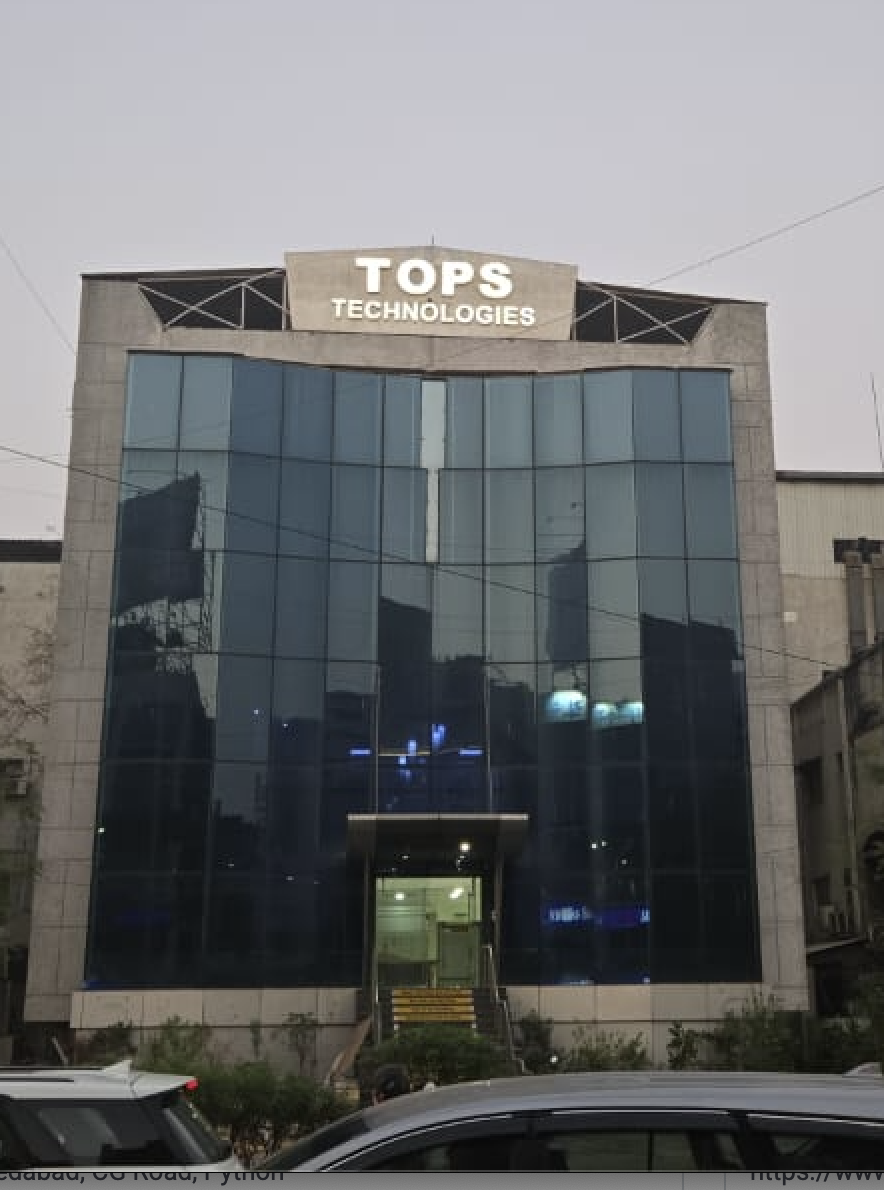
TOPS Technologies has 4 training centers in Ahmedabad — CG Road, SG Road, Nikol, and Maninagar — making access easy for students across the city.
Why Choose TOPS Technologies for IoT Training?
- 100% Placement Assistance with dedicated career support
- Live project training using sensors, microcontrollers, and cloud platforms
- Flexible batches with weekend and weekday options
- Expert trainers with industry experience in embedded and IoT solutions
- Certification support with structured learning paths
- Career guidance, resume building, and mock interview practice
Why IoT Training in Ahmedabad?
The demand for IoT skills is rising in Ahmedabad due to rapid growth in automation, smart devices, and cloud integration. Many companies search for trained professionals through iot training institute, iot training near me, and internet of things training. With industrial automation, healthcare tech, logistics, and smart city projects increasing, IoT training becomes essential for a secure and scalable career.
Ahmedabad has a strong industrial ecosystem where IoT skills help professionals secure well-paying roles. Students frequently look for iot classes near me, iot near me, and iot training courses, making this program highly suitable for beginners and experienced candidates.
Job Opportunities in Ahmedabad
With skills gained from our IoT Training, you can apply for roles in manufacturing, automation companies, software firms, and startups. Salaries typically range from ₹2.5 LPA for beginners to ₹9 LPA for skilled IoT engineers. Companies hire candidates who understand hardware integration, cloud platforms, APIs, and embedded systems.
Job Designations After Completing the Course
- IoT Developer
- Embedded Systems Engineer
- IoT Cloud Engineer
- Automation Engineer
- IoT Technician
- IoT Solutions Architect
- IoT Support Specialist
- Embedded Programmer
- Hardware Integration Engineer
- Firmware Developer
Who Can Enroll?
- Freshers and students looking to start a career
- Graduates from any field
- Working professionals wanting to upskill
- Career switchers entering IoT and automation
- Anyone interested in sensors, electronics, and device programming
What to Expect From IoT Training
Our training ensures a complete learning experience that includes certification, exposure to real-world tools, hands-on projects, cloud integration, and 100% Placement Assistance. Students also participate in CareerFest events, resume workshops, mock interviews, and portfolio-building sessions.
Curriculum Overview
- Module 1: Introduction to IoT — Basics, architecture, and real-world applications
- Module 2: Sensors & Device Handling — Working with sensors, actuators, and microcontrollers
- Module 3: Embedded Programming — Arduino, ESP32, and Raspberry Pi programming
- Module 4: Cloud Integration — Connecting IoT devices to cloud services
- Module 5: Communication Protocols — MQTT, HTTP, BLE, and wireless connectivity
- Module 6: IoT Security — Data protection and device safety
- Module 7: Capstone Project — Real-world IoT application development
Placement & Career Support
TOPS Technologies provides complete placement support through JobFest, CareerFest / Campus Drive, and the Placement Cell. With corporate tie-ups, students receive job opportunities regularly. Resume building, interview preparation, and mock interview practice are included.
Student Testimonials
“I searched for iot training and joined TOPS. Great experience with practical lessons.”
“As someone looking for iot classes near me, TOPS was the best choice. Trainers are excellent.”
“I enrolled after finding internet of things training online. Learned everything step by step.”
“Their support helped me get placed! I originally searched for iot near me.”
Local Centers — Train at the nearest TOPS Technologies centre
TOPS Technologies CG Road
Address: TOPS House, 2, Chimanlal Girdharlal Rd, Shanti Sadan Society, Ellisbridge, Ahmedabad, Gujarat 380006
Phone: +919974755006
TOPS Technologies SG Road
Address: 102, Baleshwar Square, Iskcon Cross Rd, Sarkhej - Gandhinagar Hwy, opposite Iskcon Mandir, Ahmedabad, Gujarat 380015
Phone: +919904422211
TOPS Technologies Maninagar
Address: 401, Amruta Arcade, Maninagar Char Rasta, Lala Lajpat Rai Marg, Maninagar, Ahmedabad, Gujarat 380008
Phone: +919974863333
TOPS Technologies Nikol
Address: 401, TOPS Technologies, Hilltown Landmark, Nikol Canal Rd, Opp. Das Khaman, Nikol, Ahmedabad, Gujarat 380049
Phone: +917624007666
Other Local Insights
Students in Ahmedabad increasingly prefer practical, hands-on training in IoT due to industry demand. Courses focusing on real hardware, sensors, and cloud platforms attract learners, especially those searching for best iot courses for kids or beginner-friendly modules. The city’s tech ecosystem makes IoT a high-potential career choice.
Enroll Today — Start Your IoT Career
Begin your journey toward becoming an IoT professional by joining TOPS Technologies. With practical training, expert guidance, and 100% Placement Assistance, this course prepares you for the most in-demand roles in Ahmedabad and beyond.
Advanced IoT Training Insights
The Internet of Things is one of the fastest-growing technologies globally. It connects physical devices to the digital world, enabling smart homes, smart factories, innovative healthcare solutions, logistics automation, and more. Learning IoT helps students understand sensors, embedded systems, actuators, cloud computing, and device-to-device communication.
Worldwide, IoT is expanding at an exceptional pace due to automation and digital transformation. In India, companies are investing heavily in IoT-based systems for manufacturing, retail, agriculture, and smart city development. As a result, the job market offers excellent opportunities, with salaries growing based on skill level and experience.
This course is ideal for anyone who wants to enter the future of technology — from freshers to developers transitioning into embedded or automation roles. Students gain exposure to real devices, circuit interfaces, microcontrollers, and programming environments. With practical labs and cloud integration training, this IoT Training in Ahmedabad helps you build highly employable skills.
TOPS Technologies enhances your learning with practical sessions, expert faculty, and placement preparation. You will learn how IoT systems work end-to-end and build complete applications using sensors, controllers, networks, and cloud dashboards. Whether your goal is a job, freelancing, or building your own IoT product, this course prepares you effectively.
40%
Average Salary Hike
4.5 Lacs
Highest Salary
3000+
Hiring Partners
Join Our Free Upcoming Webinar
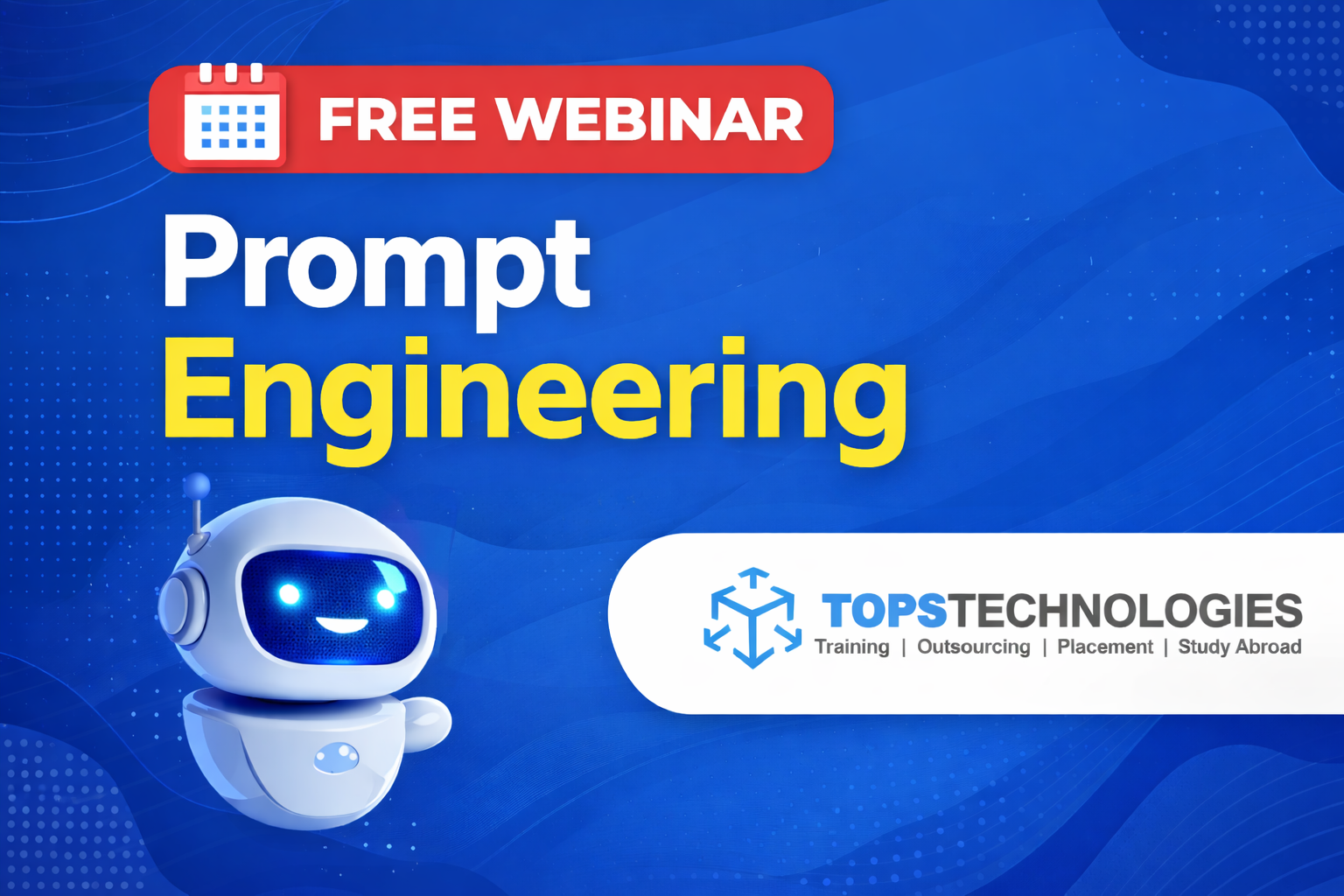
Mastering Prompt Engineering: Automating Data Analysis with AI
06 Jun 2026, 11:00 AM
Trainer
Brijesh Pandey
(Sr. Technical Trainer)
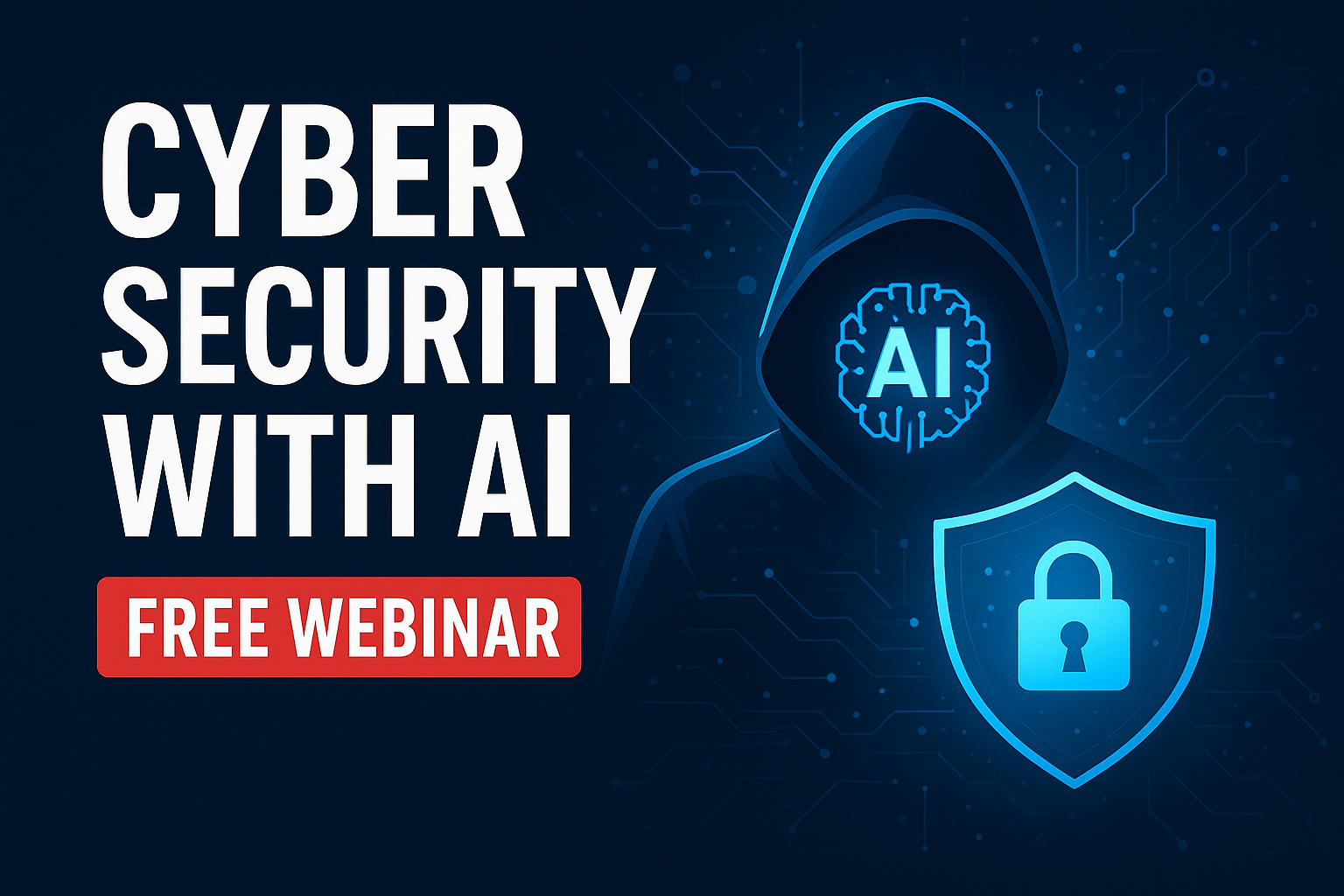
Cybersecurity vs Hackers: How Ethical Hackers Protect the Digital World
06 Jun 2026, 12:30 PM
Trainer
Faruk Pathan
(Sr. Technical Trainer)
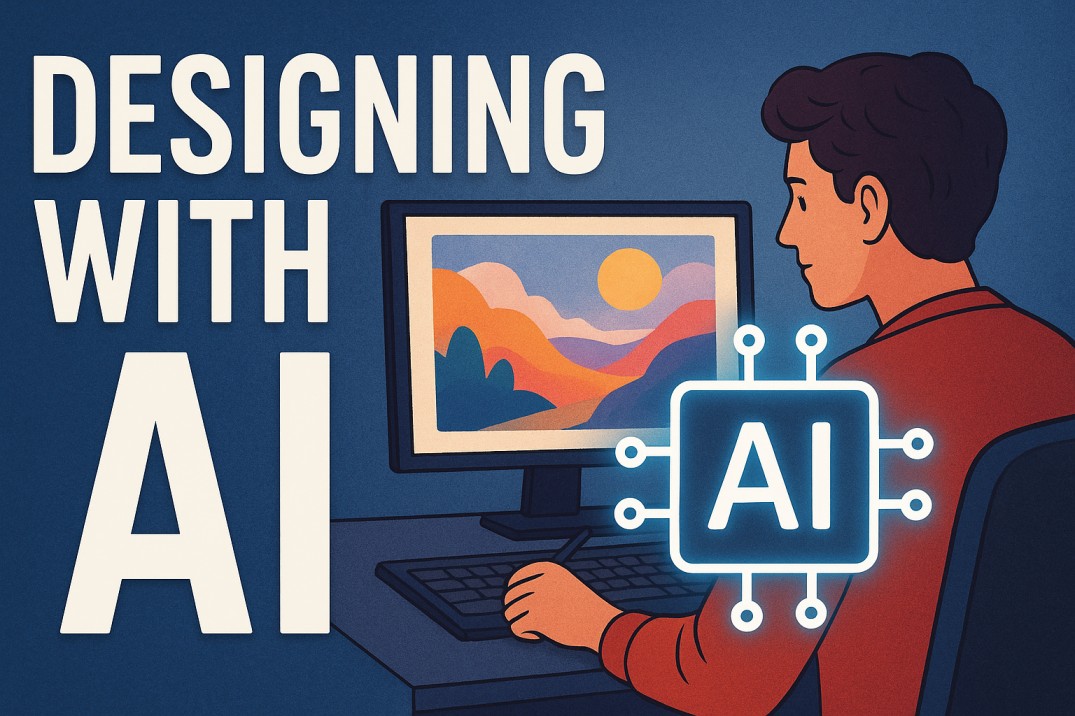
Designing for AI: The Future of UI/UX in Intelligent Systems
06 Jun 2026, 02:00 PM
Trainer
Parth Patel
(Sr. Technical Trainer)
IOT Course Curriculum
Download Curriculum- Introduction of IoT
- The Internet ofThings
- Introduction to Cloud Computation
- IOT Application of different domain
- Arduino Device
- Arduino IDE
- Connectivity With Serial Port
- Serial Output
- Device Connection With Arduino
- Device Controlling using Arduino Programming
- Variables
- Basic operation(add, subtract,multiply)
- Basic Variable type (string,integers)
- Concatenating String
- Booleans (True/False)
- Lists
- Lists Methods (Append, Extend)
- Adding Lists Together With +
- Sets
- FOR Loops
- Indexing
- Splitting Strings
- Tuples
- Dictionaries
- Working With Sensors
- PIR Motion sensor
- how to use Ultrasonic Sensor
- Work With DHT11 Sensor
- How to use Bluetooth Module(HC-05)
- Connect ESP8266 With Arduino For Wi-Fi Connectivity
- Connect Soil Moisture sensor With Arduino
- How Web Service Working
- Creating web service
- Fetching data in Arduino using web service
- Controlling device using web services
- MQTT
- DDS
- AMQP
- LoRa-WAN
- CoAP
- GSM
- Wi-Fi
- Establish Remote Desktop Connection
Attend a Free Demo
Fill the details and we will call you for further guidance
Our TOPS Training Centers in India








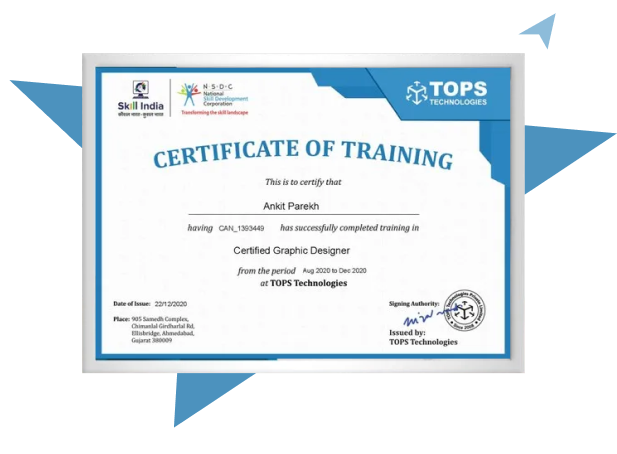
Get Training Certificate by Government
Recognized NSDC/Skill India
- National Skill Development Corporation
- Supported by the vision of PM Shri Narendra Modi
- Certification by NSDC SkillIndia
- Valid for all Jobs and College Training
- International Recognition
Student Reviews
Arjun Khanna
IoTOverall, the IoT course at TOPS Technologies was a great learning experience. The combination of practical tra...
Read MoreSneha Kapoor
IoTThe assignments and hands on labs played a major role in improving my understanding of IoT development. The tr...
Read MoreVikram Malhotra
IoTI found the IoT Training at TOPS Technologies Ahmedabad very useful for building a foundation in embedded syst...
Read MorePooja Yadav
IoTThis IoT training helped me understand how smart devices communicate and share data. The exposure to real hard...
Read MoreKunal Jain
IoTThe trainer at TOPS Technologies was knowledgeable and patient. He explained complex concepts like data commun...
Read MoreAnjali Mehta
IoTTOPS Technologies ka IoT course beginners ke liye bhi easy hai. Coding, circuits, aur data communication sab k...
Read MoreRohit Singh
IoTWhat I liked most about the IoT course was the focus on real projects. Building and testing IoT models helped...
Read MoreNeha Gupta
IoTThe IoT training program at TOPS Technologies Ahmedabad was well structured and beginner friendly. Each module...
Read MoreAmit Verma
IoTI had a very good learning experience during the IoT course at TOPS Technologies. The hands on sessions with A...
Read MorePriya Patel
IoTThe IoT Training at TOPS Technologies Ahmedabad provided a strong balance between theoretical concepts and pra...
Read MoreRahul Sharma
IOTMaine TOPS Technologies se IoT Training join ki, aur experience kaafi practical raha. Sensors, Arduino, aur ba...
Read MoreFAQ
Common IoT protocols include:
- MQTT (Message Queuing Telemetry Transport)
- CoAP (Constrained Application Protocol)
- HTTP/HTTPS
- LoRaWAN (Long Range Wide Area Network)
- ZigBee
- Bluetooth/BLE
- Wi-Fi and Cellular (3G, 4G, 5G)
MQTT is a lightweight publish-subscribe messaging protocol used for low-bandwidth and high-latency IoT networks. It’s widely used because it’s efficient, simple, and ideal for real-time communication between IoT devices and servers.
5G provides high-speed, low-latency connectivity, making it ideal for real-time applications like autonomous vehicles, remote surgeries, and industrial automation. It supports massive IoT deployments with faster communication and broader coverage.
Edge computing refers to processing data near the source (on the device or gateway) rather than in a centralized cloud. It reduces latency, conserves bandwidth, and ensures faster decision-making in critical scenarios.
Wi-Fi is ideal for high-data, short-range applications like video streaming, while ZigBee is used for low-power, low-data-rate, and mesh networking applications like smart lighting and home automation.
IoT automates lighting, temperature control, security systems, appliances, and energy usage. Smart devices like Alexa, Google Nest, and smart plugs enable remote control and real-time monitoring of your home environment.
IoT is revolutionizing healthcare through remote patient monitoring, smart wearables, medication dispensers, and telehealth systems. It enables real-time health tracking and early diagnosis, improving patient outcomes.
IIoT refers to the use of IoT in industrial settings for predictive maintenance, supply chain optimization, asset tracking, and automation. It improves efficiency, reduces downtime, and enhances operational safety.
IoT in agriculture includes smart irrigation systems, crop health monitoring, weather forecasting, and automated farm machinery. It helps increase yields, conserve resources, and make data-driven decisions.
Anyone with a basic understanding of programming or electronics can enroll. It is ideal for students, working professionals, engineers, and tech enthusiasts who want to explore the world of smart technologies and embedded systems.
Interview Questions
IoT faces several technical and operational challenges, including:
- Security vulnerabilities, due to weak device authentication and lack of updates
- Privacy concerns, as personal and sensitive data is continuously collected
- Interoperability issues, where devices use incompatible protocols or standards
- Scalability, as managing thousands or millions of devices becomes complex
- Power and connectivity limitations, especially for remote or battery-operated devices
- Overcoming these challenges is vital for successful and secure IoT deployment.
An IoT platform is a comprehensive software solution that enables the management, integration, and operation of IoT devices and data. It provides tools for connecting devices, storing and analyzing sensor data, implementing security protocols, and creating applications. These platforms reduce development time and complexity by offering ready-to-use services such as data visualization dashboards, real-time alerts, and cloud infrastructure, enabling organizations to build scalable IoT solutions efficiently.
IoT devices continuously generate massive volumes of data from sensors and connected objects. Big data technologies are used to store, manage, and analyze this information to uncover patterns, predict behavior, and optimize processes. For instance, in smart cities, big data analytics helps monitor traffic flow, predict congestion, and improve infrastructure. Thus, IoT serves as a data source, while big data provides the tools to extract meaningful insights from that data.
Embedded systems are self-contained computing systems integrated into devices to perform specific functions, such as controlling a washing machine or a digital watch. They often operate independently and do not communicate externally. In contrast, IoT connects these embedded systems to the internet, allowing them to share data, be monitored remotely, and be part of a larger smart ecosystem. IoT adds connectivity, data exchange, and remote control capabilities to traditional embedded systems.
Interoperability in IoT refers to the ability of devices and systems from different manufacturers to connect, exchange data, and operate together seamlessly. It ensures that smart devices, platforms, and services can function in harmony, regardless of brand or protocol. This is crucial for creating scalable, flexible, and user-friendly IoT environments, such as smart homes or cities where devices from different vendors must work together reliably.
A gateway in an IoT system functions as an intermediary between local devices and the cloud. It collects data from multiple IoT sensors and devices, preprocesses the information to filter or compress it, and securely transmits it to cloud servers. Additionally, gateways manage different communication protocols, handle device authentication, and can perform local decision-making when cloud access is unavailable—thereby improving the system’s reliability and performance.
AI plays a crucial role in making IoT systems intelligent and autonomous. By applying machine learning algorithms to the data collected from IoT devices, AI can identify patterns, detect anomalies, and make predictions. This enables features like predictive maintenance in factories, smart energy management in buildings, and personalized automation in homes. AI helps IoT systems learn from data and make decisions without human intervention, greatly enhancing their usefulness and efficiency.
IoT is used across various sectors to automate tasks, monitor conditions, and improve efficiency. Common applications include:
- Smart homes: Automated lighting, thermostats, and security systems
- Healthcare: Wearable devices for patient monitoring and health tracking
- Agriculture: Smart irrigation and soil monitoring for better crop management
- Manufacturing: Predictive maintenance and real-time equipment tracking
- Smart cities: Traffic management, energy-efficient lighting, and waste collection optimization
- These examples show how IoT improves everyday life and industrial operations.
LoRa (Long Range) is a wireless communication technology designed for long-distance data transmission using low power. It is ideal for IoT applications where devices need to communicate over several kilometers without frequent battery replacement. LoRaWAN (LoRa Wide Area Network) is the protocol layer that manages communication between devices and gateways. It provides secure data transmission, device authentication, and efficient network scalability for smart agriculture, environmental monitoring, and smart city applications.
APIs (Application Programming Interfaces) are essential for enabling communication between IoT devices, platforms, and applications. They define how software components should interact, allowing developers to access sensor data, control devices remotely, and integrate services like analytics or notifications. APIs make IoT systems modular and interoperable, allowing developers to build custom applications, automate workflows, and connect IoT solutions with third-party services or enterprise systems.