In today's dynamic job market, staying stagnant is not an option. Embracing continuous learning and upskilling is crucial for anyone wishing to stay ahead of the curve. If you live in a tech hub like Gujrat then you are in luck! You will find many top-rated data analyst courses in Ahmedabad, to help you get started!
The right educational foundation is pivotal. A Data Analyst Course in India with Placement assistance is a great choice if you are starting from scratch!
Our world is increasingly digital, and technologies are evolving faster than ever. If you're not upskilling, you're essentially moving backward. And trust me, you don't want to be that person.
Now, who doesn't like a bigger paycheck? Specializing in the right areas can seriously boost your income.
A data analyst with expertise in, say, artificial intelligence in India might bag a salary that's a whopping 20% higher than someone without that specialization. Impressive, right?
- Machine Learning Expertise: Beyond the general data analysis, mastering machine learning can potentially increase your pay by 15-20%.
- Big Data Processing: Knowing your way around tools like Hadoop or Spark? That's another 10-15% salary bump.
- Data Visualization: If you can make data look good and convey a story, companies might offer you 10% more than the average analyst.
However, there's a common pitfall: Many folks dive into the "trendy" skills without assessing the market demand. That's a rookie mistake. Always research and evaluate before investing time and money into learning a new skill.
In the ever-evolving world of data science, determining the right skill set is paramount. So, which of these skills is essential to the role of a data analyst? Let’s Dive into it!
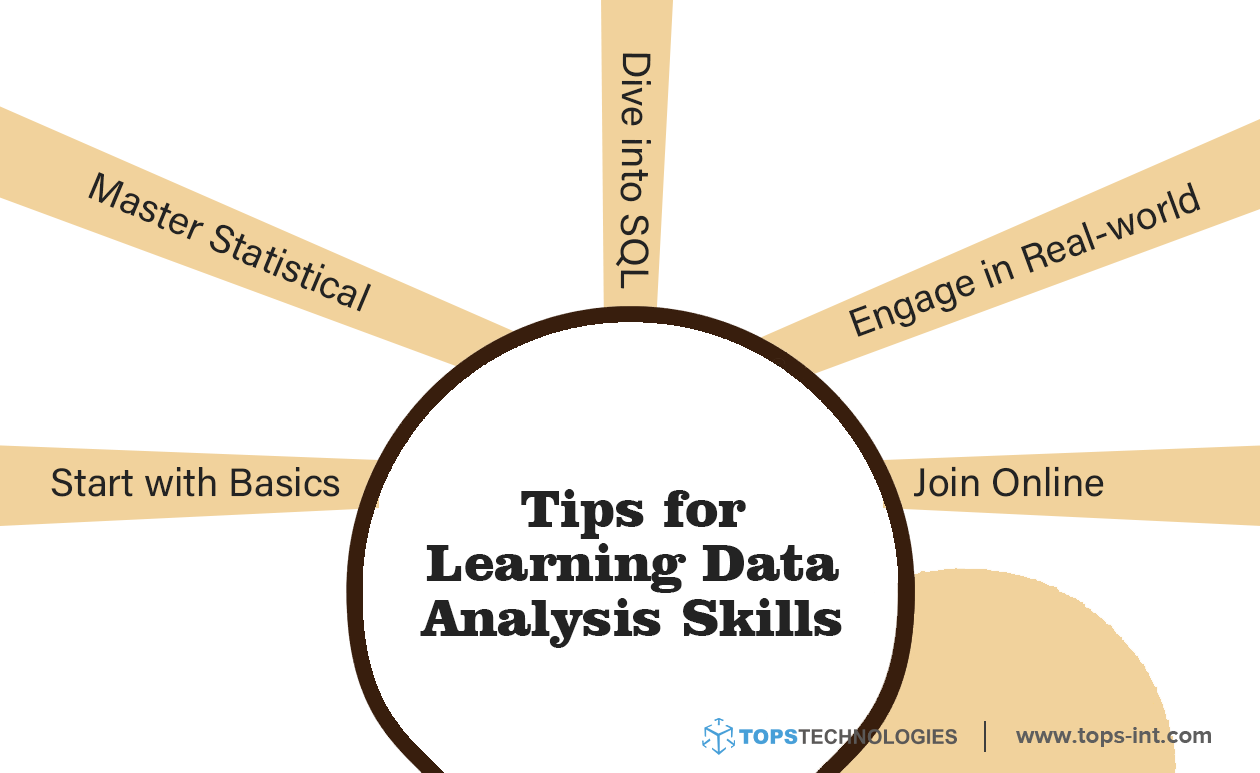
Tips for Learning Data Analysis Skills
What Skills Are Required For Data Analysts?
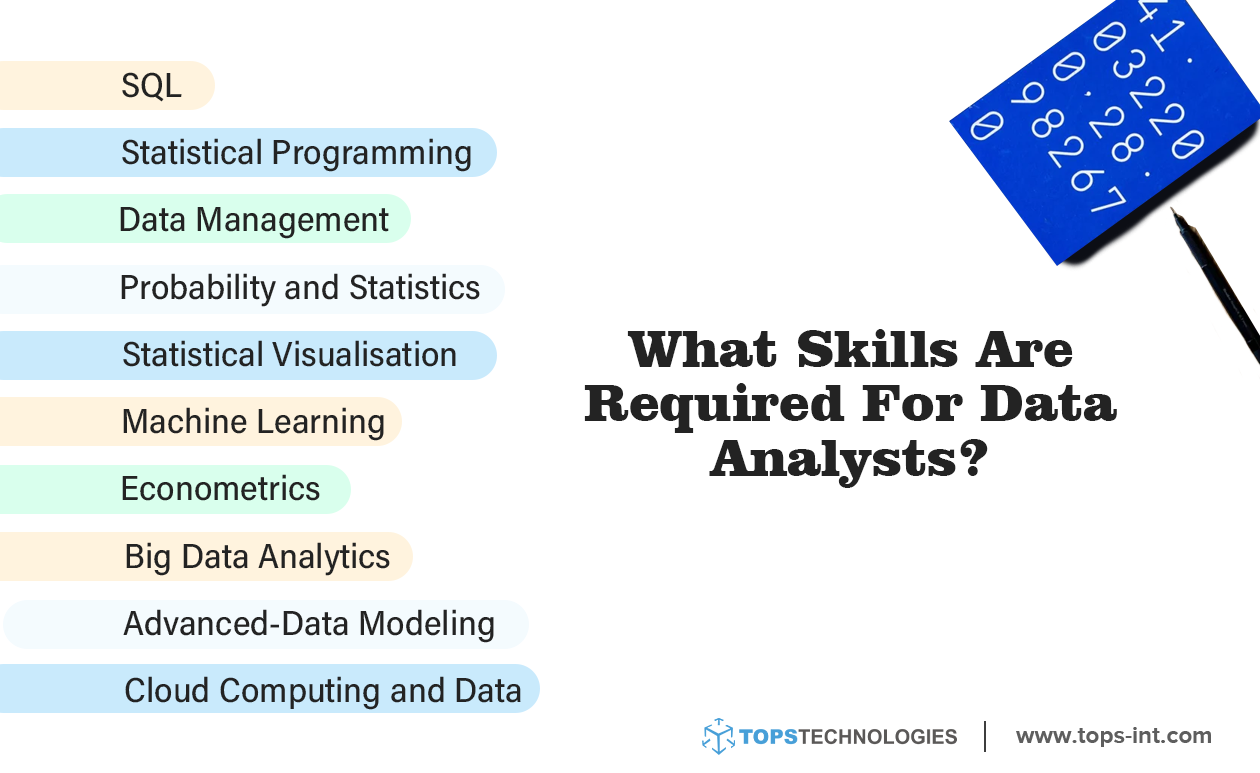
Which of these skills is essential to the role of a data analyst?
SQL (Structured Query Language)
- Importance in Data Analytics: It enables precise data extraction, filtering, and sorting. A must-have for any data analyst.
- Resources: For a deep dive into SQL, the official MySQL Documentation is invaluable. Those searching for data analyst training and placement near me might consider programs with a strong SQL emphasis, ensuring they're armed with industry-relevant skills.
- R vs. Python: R boasts advanced statistical features. Python, with libraries like Pandas and NumPy, is more general-purpose but highly effective in data analytics.
- Resources: Beginners can start with R's official documentation and Python's documentation. Also, courses offering data analyst courses with placement guarantees via placement assistance often have modules dedicated to these languages, ensuring a blend of theory and practical exposure.
Machine Learning
- Significance in Data Analytics: ML takes data analytics a notch higher, enabling predictive analysis and automated decision-making.
- Improvement Over Time: The beauty of ML algorithms lies in their adaptability. Feed them more data, and they refine themselves, offering better insights.
- Resources: A plethora of courses are out there, but Google's ML Crash Course is a solid starting point. For those who want an in-depth route, searching for a data analyst course with a placement guarantee that incorporates ML can be a game-changer.
Probability and Statistics
Data Management
- How to Learn: While there are numerous data management systems, learning about popular ones like SQL, NoSQL, and Hadoop is a good start. Alternatively, a data analyst course online with placement assistance will provide both theoretical knowledge and practical skills.
Statistical Visualisation
- How to Learn: Tools like Tableau and PowerBI lead the chart in data visualization. There are plenty of online tutorials and courses on platforms like LinkedIn Learning. However, for comprehensive training and job readiness, a data analyst course online with placement assistance is worth considering.
Econometrics
Big Data Analytics
Cloud Computing and Data Storage
Advanced-Data Modeling
- Importance in Data Analytics: It's instrumental in translating complex data structures into a more understandable format. This not only aids in accurate data interpretation but is pivotal when predicting future trends or making data-driven decisions.
- Techniques and Tools: From Entity-Relationship diagrams to Object-Oriented models, the techniques are varied. Tools like ERwin, IBM InfoSphere, and Oracle SQL Developer Data Modeler are popular choices in the industry for advanced data modeling tasks.