
In today’s fast-paced digital world, simply publishing blogs isn’t enough to make an impact. To truly stand out and grow your online presence, you need to focus on creating strategic, SEO-optimized content that aligns with both your audience's needs and search engine algorithms. Blogging remains one of the most effective tools to improve your website’s visibility, drive consistent organic traffic, and build credibility as an expert in your niche.
With the right approach, a blog can become a powerful asset that supports your overall digital marketing strategy. However, this requires more than just good writing — it involves thorough keyword research, understanding user intent, optimizing on-page elements, and crafting valuable, engaging content.
In this comprehensive guide, we’ll take you step by step through the best practices for blogging with SEO in mind. You’ll learn how to create content that not only connects with readers but also performs well on search engines, helping your website achieve better rankings and long-term success.
Why Blogging for SEO Matters
Search engines like Google aim to deliver the most relevant and high-quality content to their users. When your blog posts are optimized for SEO, they are more likely to appear on the first page of search results, leading to:
- Increased website traffic
- Higher brand awareness
- More leads and conversions
- Stronger authority in your industry
A strong blog strategy is the foundation of any successful digital marketing plan.
Best Practices to Optimize Your Blog Content for Search Engines
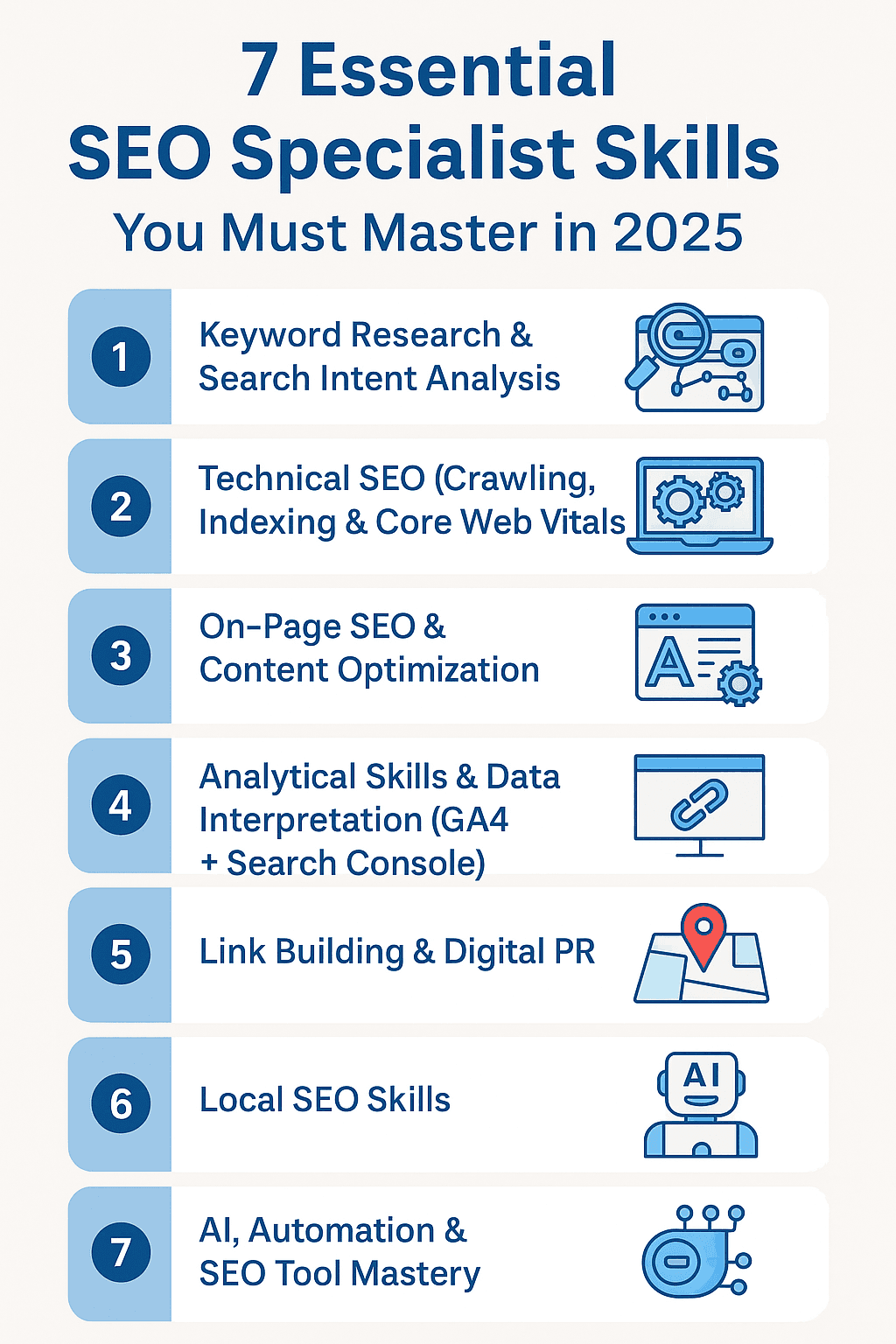
1. Conduct Keyword Research
Before writing a blog, identify the keywords your audience is searching for. Tools like Google Keyword Planner, SEMrush, or Ahrefs can help you discover high-volume and low-competition keywords. Target a mix of primary and secondary keywords naturally throughout your content.
Tip: Focus on long-tail keywords — they're less competitive and bring highly targeted traffic.
2. Create High-Quality, Valuable Content
Search engines prioritize content that is useful and answers users’ queries. Your blog should:
- Solve problems
- Educate your audience
- Offer unique insights
- Stay updated with current trends
Avoid keyword stuffing. Instead, create natural, reader-friendly content that provides real value.
3. Optimize Your Headlines and Meta Descriptions
Your blog title and meta description are often the first impressions users get on search engines. Make them:
- Compelling
- Keyword-rich
- Clear about the value your content offers
A strong headline can significantly improve your click-through rate (CTR).
4. Structure Your Content Properly
A well-organized blog is easier for both users and search engines to understand. Use:
- Clear headings (H1, H2, H3)
- Short paragraphs
- Bullet points and numbered lists
- Relevant images with ALT text
Good structure enhances readability and SEO.
5. Focus on Internal and External Linking
- Internal Links: Link to your other blog posts or important pages to keep visitors engaged longer
- External Links: Reference high-authority websites when relevant. It builds credibility and shows search engines that you’re connected to a network of quality content.
6. Optimize for Mobile and Speed
- With mobile-first indexing, your blog must be mobile-friendly. Also, ensure your website loads quickly, as site speed is a ranking factor.
- Tools like Google PageSpeed Insights can help you analyze and improve your page load times.
7. Encourage Engagement
- Encourage comments, shares, and discussions on your blog posts. Higher engagement signals to search engines that your content is valuable and relevant.
Pro Tip: Add clear calls-to-action (CTAs) that invite readers to comment, share, or subscribe.
Building an Effective Content Strategy
- Setting clear goals (brand awareness, lead generation, etc.)
- Understanding your audience deeply
- Planning content around buyer journeys
- Publishing consistently
- Regularly updating older posts for freshness
Learn Content Strategy and SEO with Tops Technologies
- Content marketing strategies
- Keyword research
- Social media marketing
- Paid advertising campaigns
- Real-world projects and hands-on training