The number of websites has increased at a rapid rate. The total number of websites in 2010 was 210 million. Today, there are over 1.8 billion websites online.
Web Design is the process of creating websites and web pages so that they are visually appealing and easy to use. It is the art of creating a digital space that makes it easy for visitors to find what they are looking for.
Being able to make an excellent first impression is why Web Design is a crucial component of marketing. Visitors will make their decisions about whether or not to stay on your site based on appearance alone. A well-thought-out website can help your company to stand out in the crowd and make it easier for potential customers to find you online.
Web Design helps to create a positive first impression. As a result, it has become an important part of any business, not just because it looks good but because it also helps with conversion rates. A well-designed website can increase your conversion rate by up to 20%.
One of the reasons for this increase is the advancement in technology, which has allowed companies to provide their products and services online. This has led to more people being able to start their own businesses, sell their products and promote themselves through the internet.
A well-designed website is a key to building a successful online presence. It is a necessity to get noticed on the internet. The internet has become an integral part of many people’s lives, and it’s only getting more popular. More than 3 billion people are now connected to the internet, and that number is only going up. Therefore, businesses need a website that appropriately reflects their brand and communicates their message to reach their target audience.
Web Design is not just about what something looks like. It’s also about how it functions. It can be broken down into three key components: aesthetics, usability, and search engine optimization (SEO).
Aesthetics refers to the visual appearance of a site. Web Designers use colour schemes, fonts, graphics and images to create an attractive website that compellingly conveys the brand’s message. Usability refers to how easy the website is for people to use and navigate. Usability is created by ensuring the site has clear links and easy-to-understand text and graphics. Finally, SEO refers to how well a website performs in terms of appearing high on search engine results pages (SERPS). SEO is determined by having proper keywords, meta tags, and links.
This industry is evolving and continuously changing to cater to the needs of the users. Therefore, design trends are also changing with time. Web Designers are constantly trying new ways to make their websites look more appealing and user-friendly.

Get 100% Job Placement support & get placed in your dream company
Why Has Web Designing Become So Popular?
Our daily life and the internet have merged seamlessly. It is the most popular way to communicate and has also become a significant source of information. The internet has consequently altered how we live, work, and play. More people are using the internet than ever before, which is why Web Designing has become so popular.
Web Design is a popular career choice because it offers many opportunities for creativity, freedom, and financial stability. It is also popular because it is an industry that offers many different career paths and opportunities.
The internet has made it possible for people to work from anywhere in the world and still be able to do their job. The accessibility that Web Design offers is the reason why it has become so well-liked.
Due to its versatility, Web Design has gained popularity as well. Web Designers can create websites for any type of business or organization, whether a small business or a large corporation. They can also create dynamic, interactive, engaging websites, making them perfect for companies that want to attract more customers.
Because it plays such a crucial role in marketing, Web Design has gone mainstream. It is the first impression that your website gives to your customers. It is the first interaction they have with your brand.
The Web Design industry has become so popular that it is now one of the fastest-growing industries in today’s world.
What is the role of a Web Designer?
One who builds and designs websites is known as a Web Designer. Their work affects how a website appears and operates. They are responsible for everything from the layout to the graphics and images to the colors and fonts.
A Web Designer is a creative professional who specializes in the design of websites. Their role is to ensure the website looks good and is user-friendly. They are responsible for the design and usability of the website. They also provide a website content strategy, including text, images, videos, and other media.
The responsibilities may vary depending on their role within an organisation. However, some responsibilities are common across all levels of experience, which include:
– Designing Layouts for Websites
– Creating Graphics (Logos, Buttons, Icons)
– Designing Digital Advertisements
– Creating Wireframes and Prototypes
– Creating Colour Schemes
– Creating Typography Styles
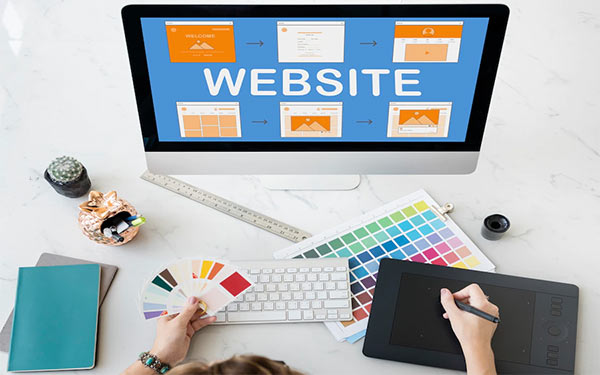
Web Designers use various tools like Adobe Photoshop, Adobe Illustrator, and Sketch to create mockups and wireframes. They also use HTML and CSS to develop the website’s layout and structure.
Web Designers are the people who conceptualize, develop and code the internet sites and web pages that we use every day. They combine text with sounds, pictures, graphics, animations and other multimedia elements to create a unique web experience for their users.
Web Designers need more than just creativity to succeed in this competitive industry. They also need an understanding of how web browsers work, a knowledge of HTML coding and a good understanding of design principles.
A successful Web Designer needs to be able to communicate well with clients, understand their needs and work within their budget constraints.
Skills of an Expert Web Designer
Web Designers have a vast range of skills and competencies. They are responsible for understanding the client’s needs, designing a website that is easy to navigate and attractive to the eye, and can be built on a tight budget. The following are 10 skills Web Designers should possess to do their job effectively.
1) Understanding the User Experience
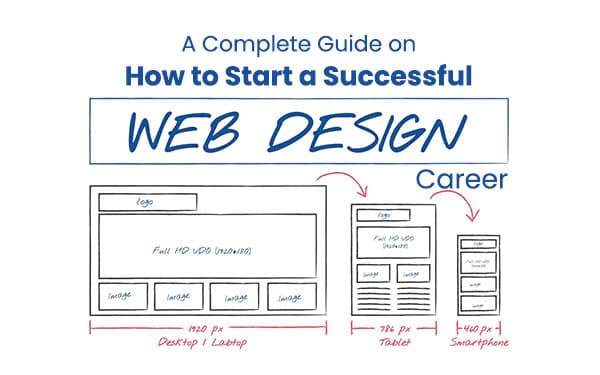
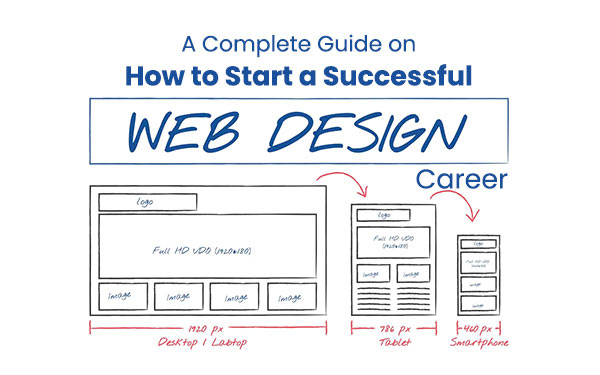
A Web Designer must understand the user experience because it is their job to ensure the website is user-friendly and easy to navigate. They should be able to create a website that can be accessed from any device, screen size, and browser. Having a website that works on different devices is important because not everyone uses a desktop computer.
2) Understanding How to Use HTML, CSS and JavaScript
If you’re looking to be a Web Designer, you must know how to use HTML, CSS and JavaScript. This is the foundation for any Web Design project.
– HTML is the language of the content on the internet.
– CSS is a set of rules that tell browsers how to display HTML content on a webpage.
– JavaScript is used for interactive features like buttons, menus and animations.
3) Understanding the Principles of Good Design
The principles of good design are what an expert Web Designer should understand to create an aesthetically pleasing and functional website. Good design starts with the user experience in mind. A website should be easy to navigate, responsive, and have a clean layout that’s free of clutter. It should also contain an interactive navigation menu, clear CTAs, and a simple contact form that’s easy to fill out. Here are a few illustrations of sound design principles:
– Line, Shape and Form
– Balance
– Proportion
– Hierarchy
– Contrast
– Emphasis
– Movement and Flow
4) Understanding How to Create Wireframes
A wireframe is a visual guide that helps the designer present their design concepts in a more concrete form. For example, one can use it to show a website’s layout or the flow of an application. In addition, wireframes are often created to help communicate design ideas to stakeholders.
Web Designers should create wireframes if they want their designs and ideas to be communicated effectively and accurately. They should also understand how to create wireframes because it helps them develop better designs for websites or applications.
5) Understanding Usability Testing
Usability testing is a technique for measuring the effectiveness of a website by testing it with real users. It helps designers understand how users use their website and what they find confusing or difficult. Usability testing is an essential part of the design process because it helps designers identify problems early on before investing too much time and money into designing something that doesn’t work well for real users.
6) Knowledge of Web Accessibility Guidelines
A Web Designer should be aware of the web accessibility guidelines. It is essential to know that the guidelines are not just for people with disabilities but also for people using browsers other than Internet Explorer.
A Web Designer should be aware of the following guidelines:
– The website should have a text equivalent for every non-text element on the page
– The website should provide captions and transcripts for video content
– The website should provide closed captions or subtitles
– A user agent’s configuration must not have any features that interfere with accessibility
7) Knowledge of Cross-Browser Compatibility Issues
The Web Designer should have knowledge of cross-browser compatibility issues. This is because they need to design their website with the most popular browsers in mind: Chrome, Firefox and Safari. If you choose to use a less popular browser such as Opera or Vivaldi as your default browser, then you will need to be mindful of how this might affect the design of your website.
There are several cross-browser compatibility issues that an expert Web Designer should be aware of. These include:
– The need to provide a version for each browser type and version.
– The need to update website content for new browser versions as they are released.
– The need to test the design in all browsers to identify cross-browser compatibility issues before publishing it live on a website.
– The need to provide a mobile version of the site compatible with all mobile devices, which can be used on the move.
– The need for a robust, high-performing site that is responsive and can load quickly.
8) Knowledge of Graphic Design Software – Programming Languages – Server-Side Languages
A Web Designer should know graphic design software such as Adobe Photoshop or Gimp to create website graphics, buttons, and other images used in web pages.
They need to have a good knowledge of programming languages like PHP or Java. This is because they are the foundation for many websites and web applications. These programming languages are used to develop dynamic pages that can be customised with user input.
They should also have knowledge of server-side languages like ASP.Net or Ruby on Rails to create a website that can be scaled to meet the demands of the traffic and can also be easily updated with new features in future.
9) Ability to Work With CMSes
A Web Designer should have a good knowledge of CMSes like WordPress and Drupal. These CMSes are used to create websites and blogs. They provide a lot of flexibility to Web Designers so they can design websites according to the client’s needs. These CMSes ensure designers can create websites that will be easy to update, maintain, and keep up with current trends.
10) Developing and Implementing Responsive Website Designs
In today’s digital world, businesses are more reliant on websites than ever before. In fact, it has been reported that more than two-thirds of online shoppers will abandon their purchase if they cannot find what they are looking for on a company’s site. It is at this point that responsive website design is useful.
A Web Designer should be able to develop and implement responsive website designs. This includes understanding that the design for a website must be responsive, which means that it will change the way it looks based on what device is being used to view it.
How to Start a Career in Web Designing?
Web Designing is an art and a science requiring graphic design, programming, usability engineering and marketing skills.
This profession has evolved over the years, with more and more people entering the field daily. So how do you start a career in Web Designing? Here are some tips to get you going:
1) Get a Degree
There are many different paths you can take when it comes to a caree